
On 6 March 2026, the Faculty of Economics, University of Niš (FEUN), within the project UR-WISE, organized the strategic event “Perception as Capital: Global Positioning of Serbia and Its Cities” in cooperation with the Serbian Business Club “Privrednik” in Belgrade.
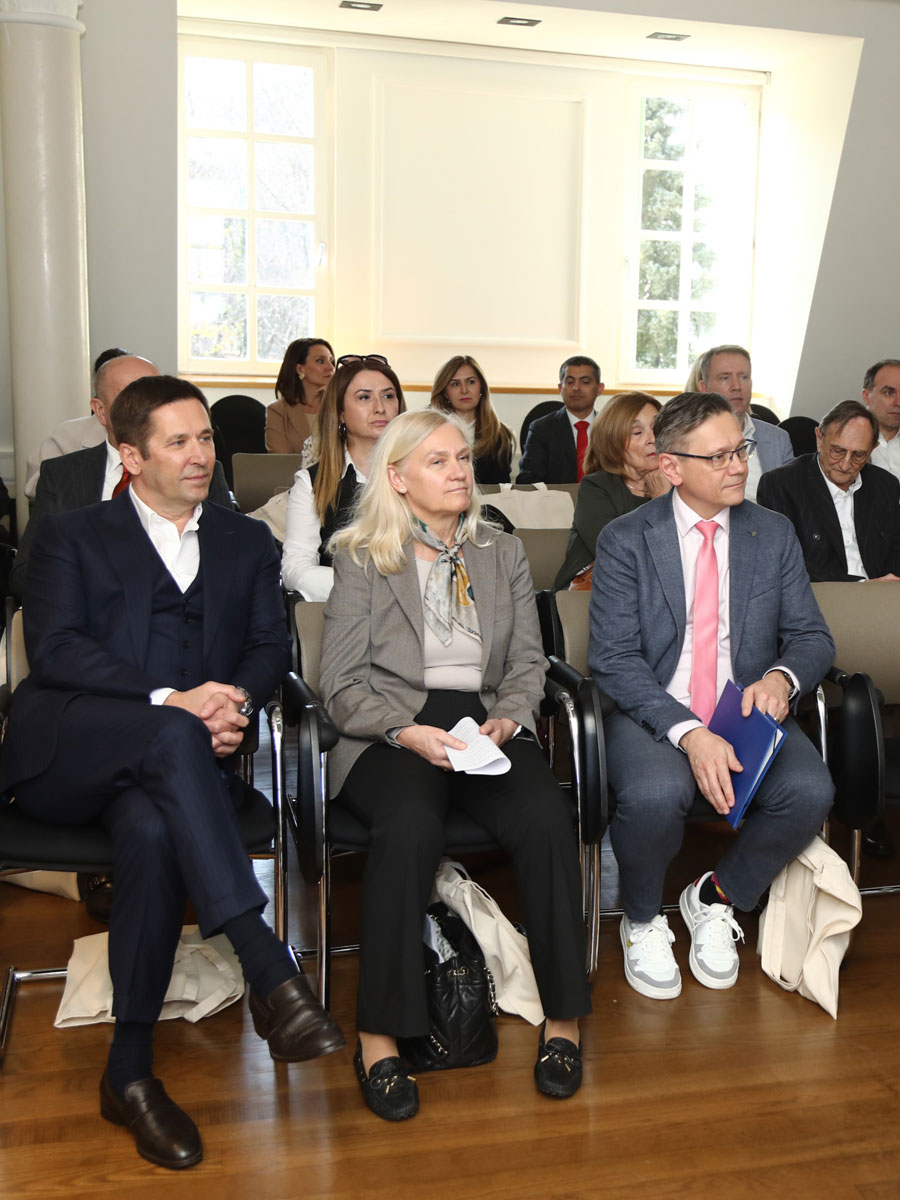
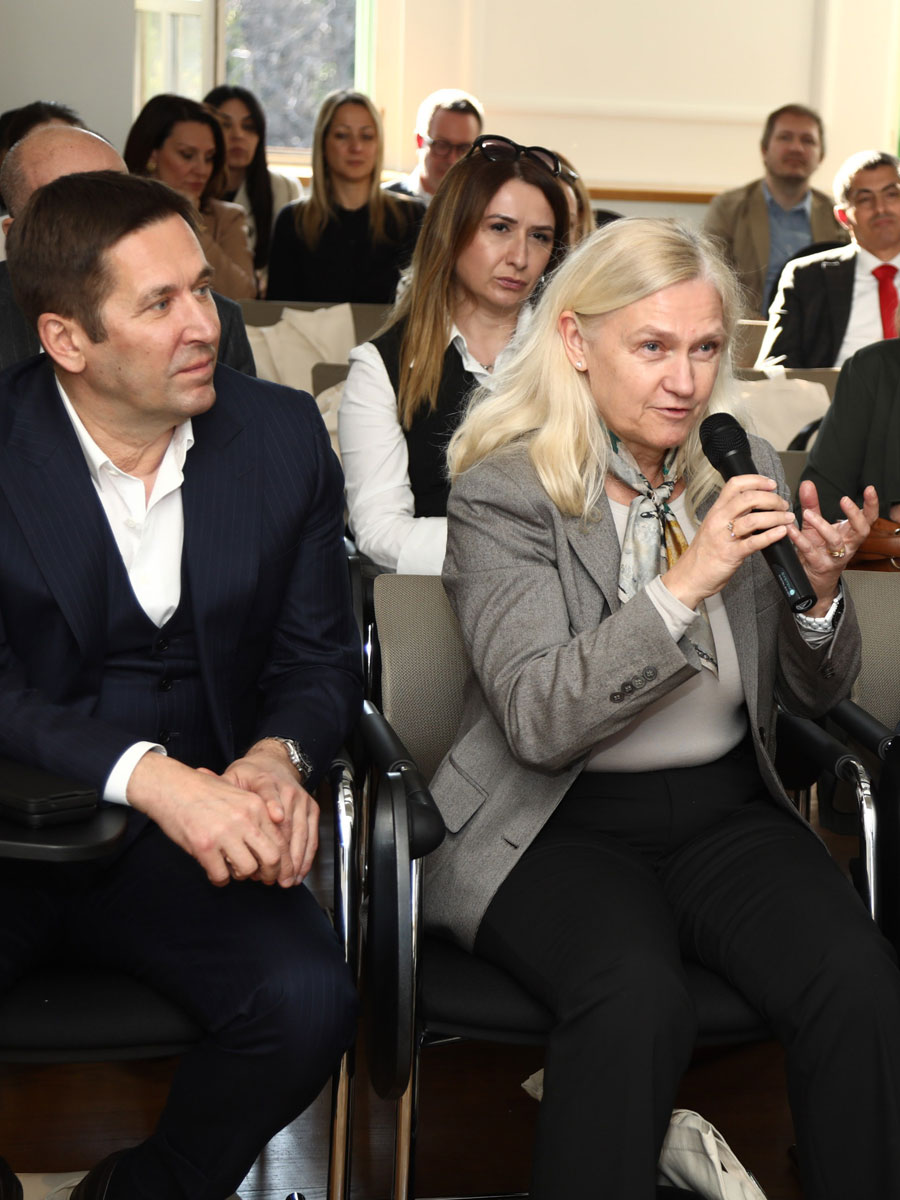
The event gathered more than 50 participants, including representatives of the Serbian business community, leading entrepreneurs, policymakers, researchers, and representatives of international institutions. Among the distinguished guests were H.E. Kristin Melsom, Ambassador of the Kingdom of Norway to Serbia, and Mr. Richard Masa, Head of Operations at the Delegation of the European Union to the Republic of Serbia, whose presence highlighted the international relevance of the discussion, as well as Prof. Pavle Petrović, university professor and full member of the Serbian Academy of Sciences and Arts (SANU).
Following the opening remarks, the panel discussion was moderated by Dragijana Radonjić Petrović, Vice President of the Serbian Association of Economists and member of the Executive Board of the Serbian Business Club “Privrednik.”
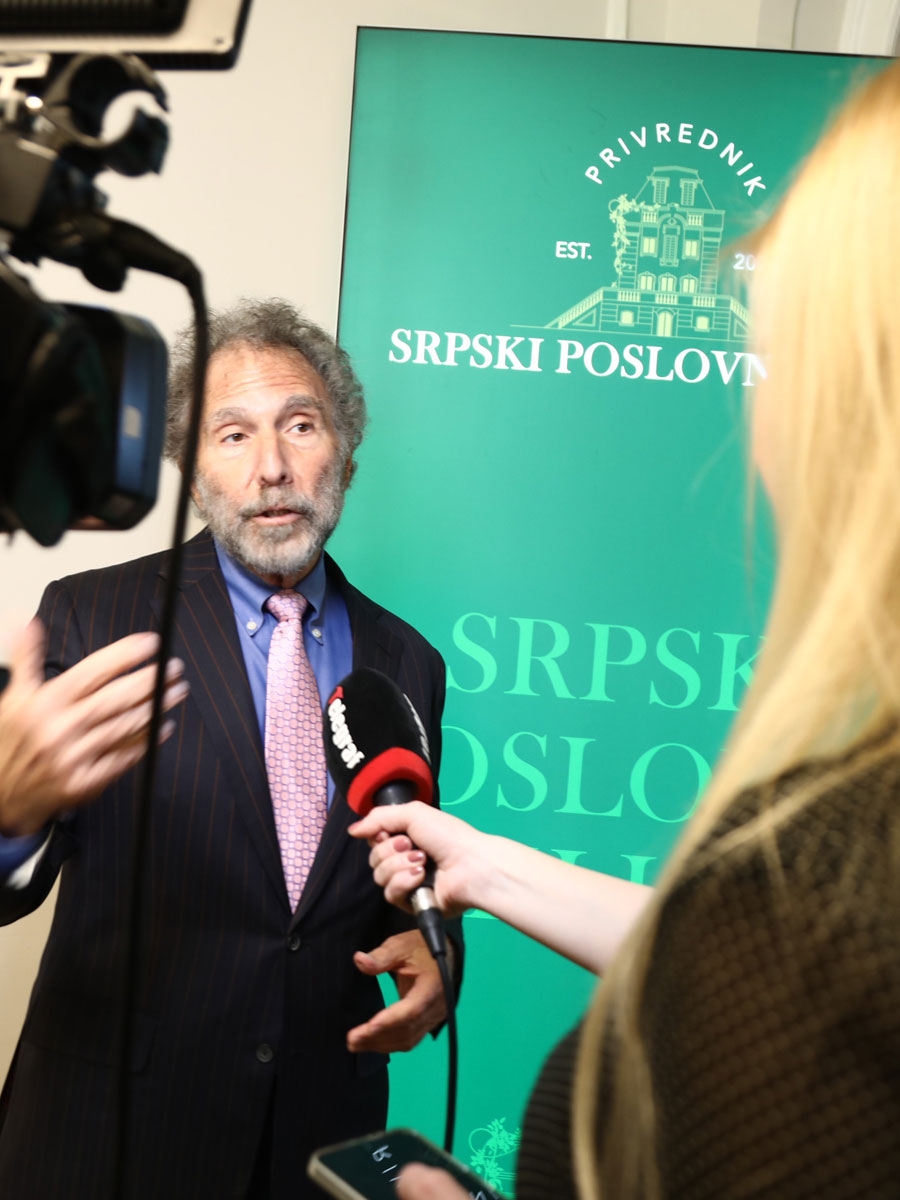
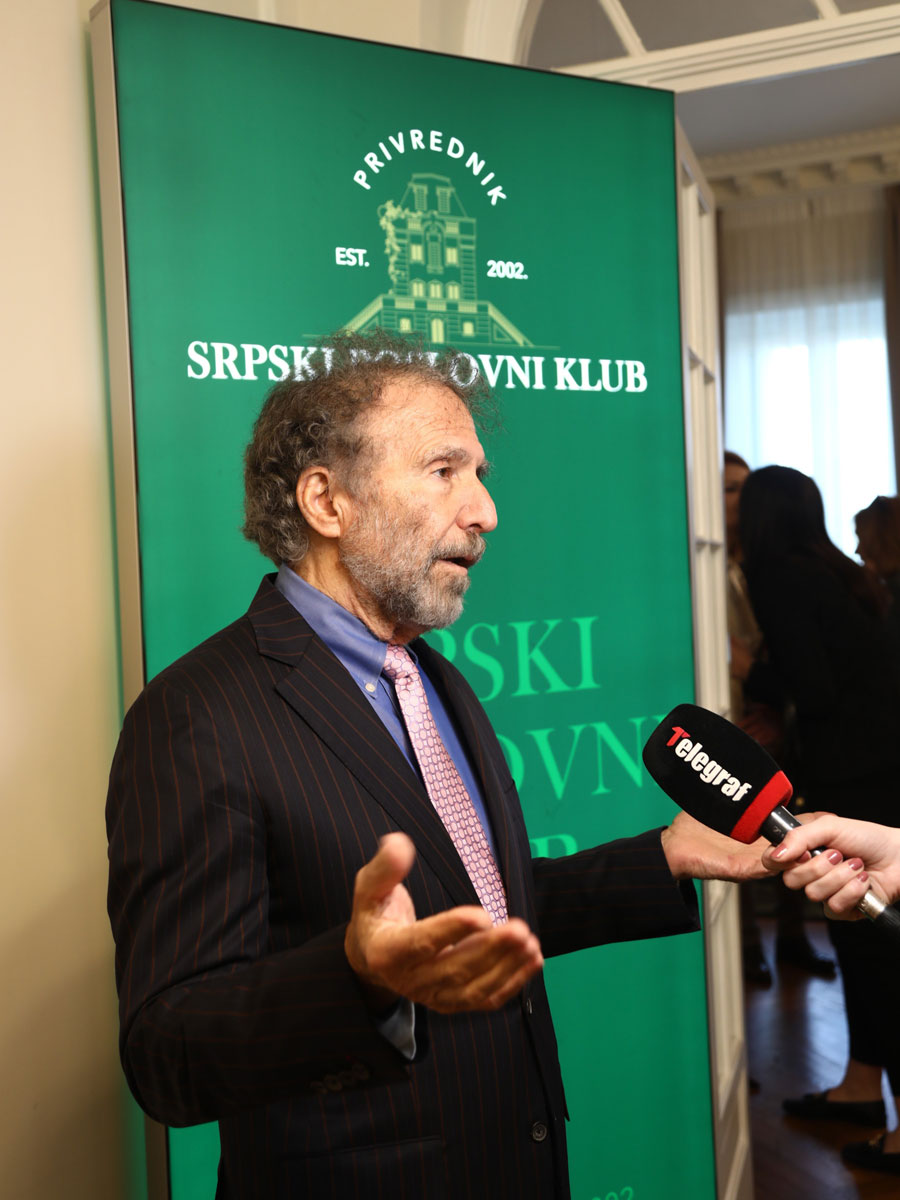
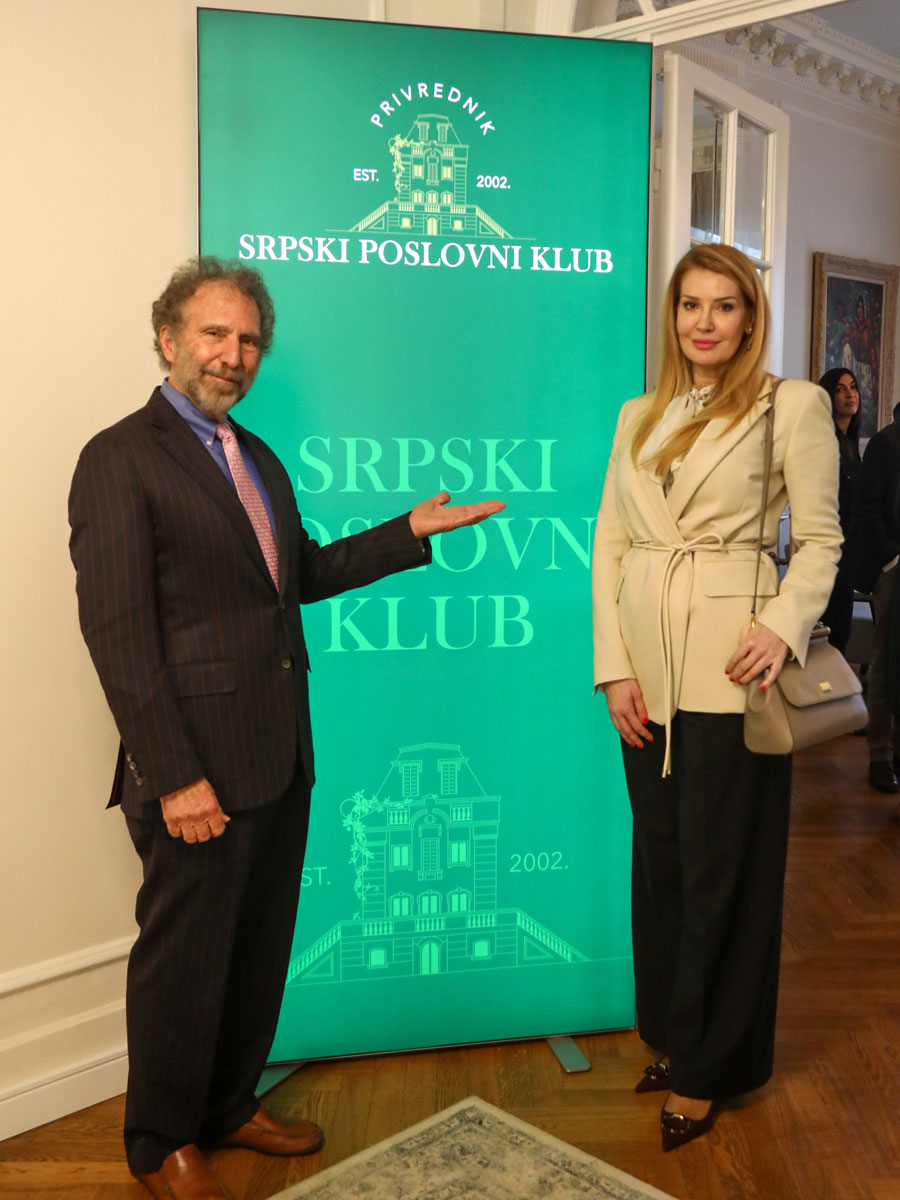
The central lecture of the event was delivered by Prof. David J. Reibstein, William Stewart Woodside Professor of Marketing at the Wharton School, University of Pennsylvania, and the lead researcher and principal architect of the U.S. News & World Report – Best Countries methodology.
During his presentation, Professor Reibstein explained how international perceptions shape the economic value of nations, influencing investment flows, trade opportunities, tourism, and global competitiveness. The Best Countries framework, first presented at the World Economic Forum in Davos in 2016, evaluates how countries are perceived across dimensions such as governance, economic stability, entrepreneurship, and quality of life.
A key message of the session was that nation branding is not merely a matter of image or communication, but a measurable economic resource. Countries with strong and clearly articulated reputations are able to attract greater investment, increase export value, strengthen their geopolitical positioning, and build trust among international partners. Conversely, weak or unclear national branding often requires additional effort to establish credibility in global markets.
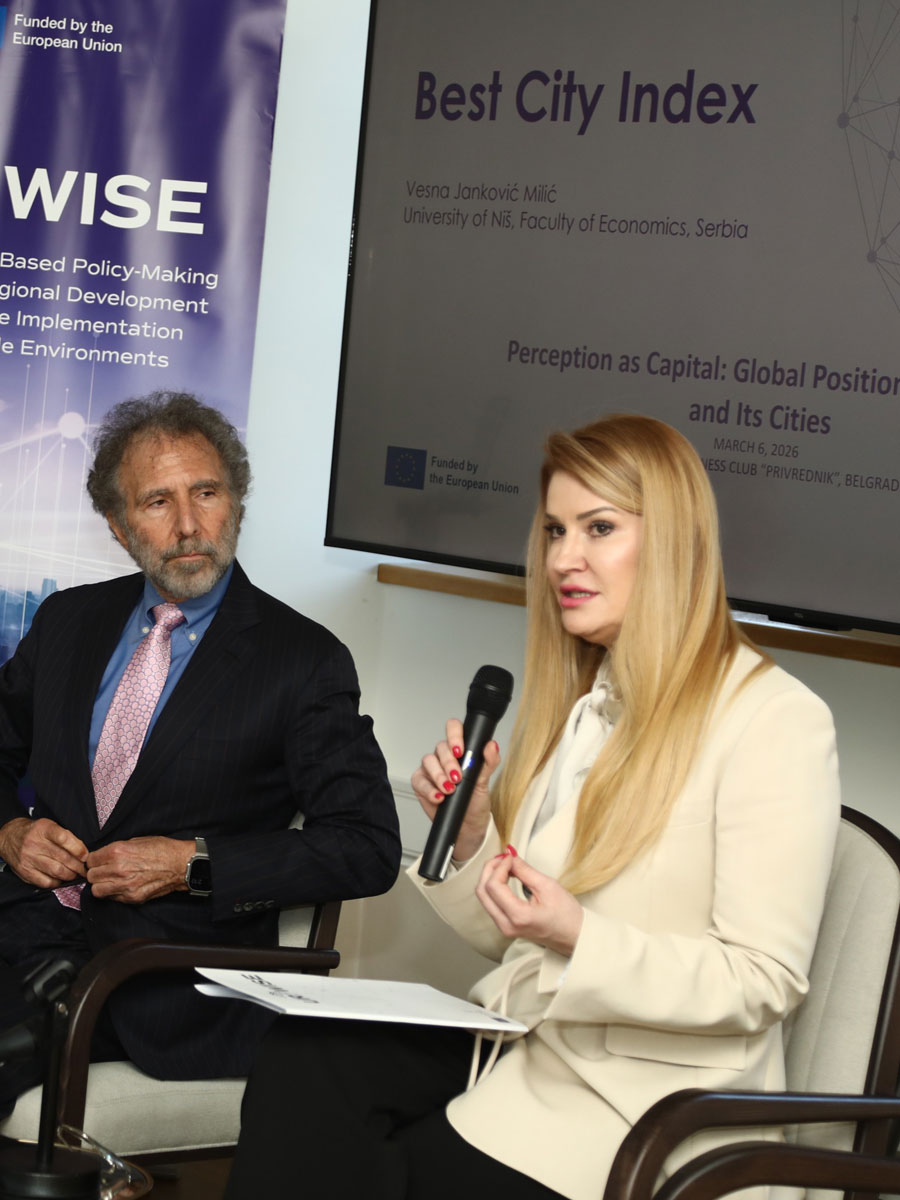
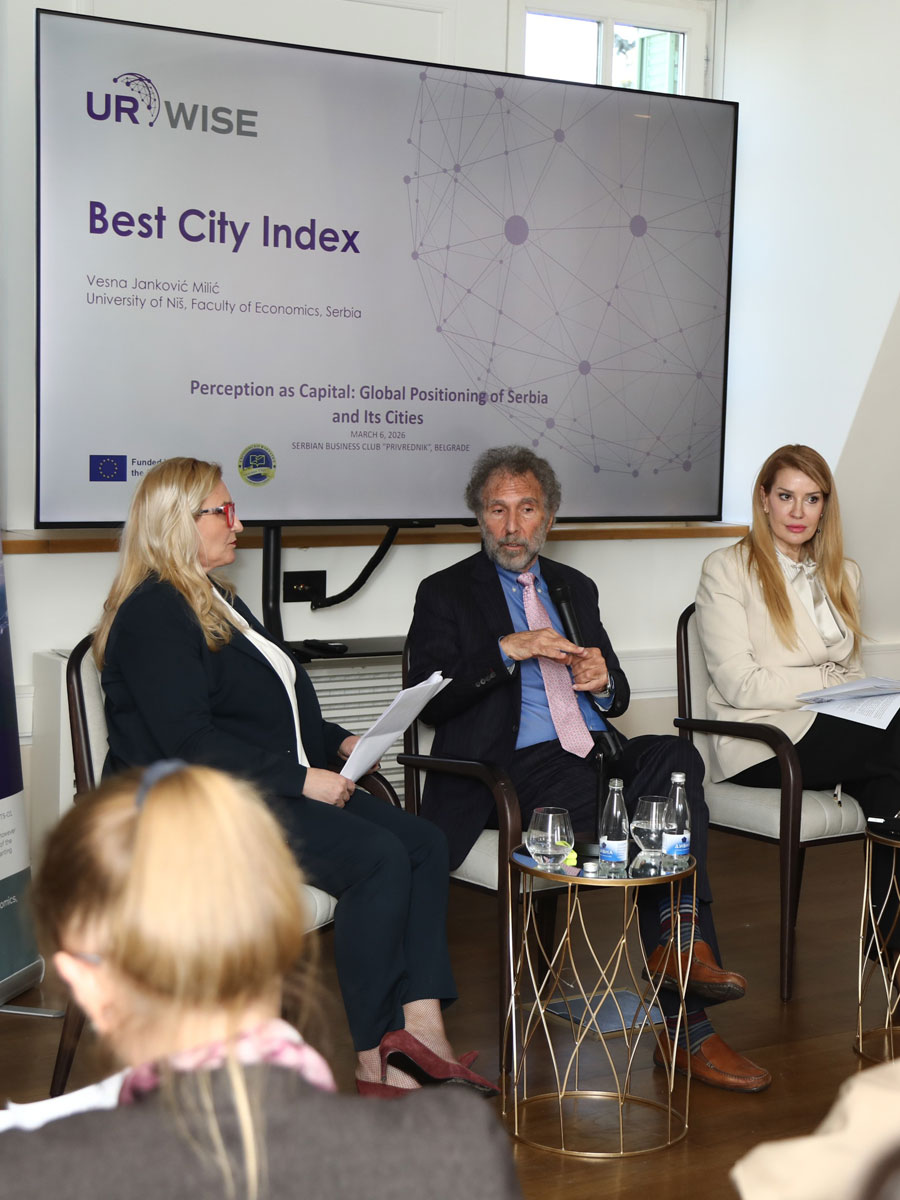
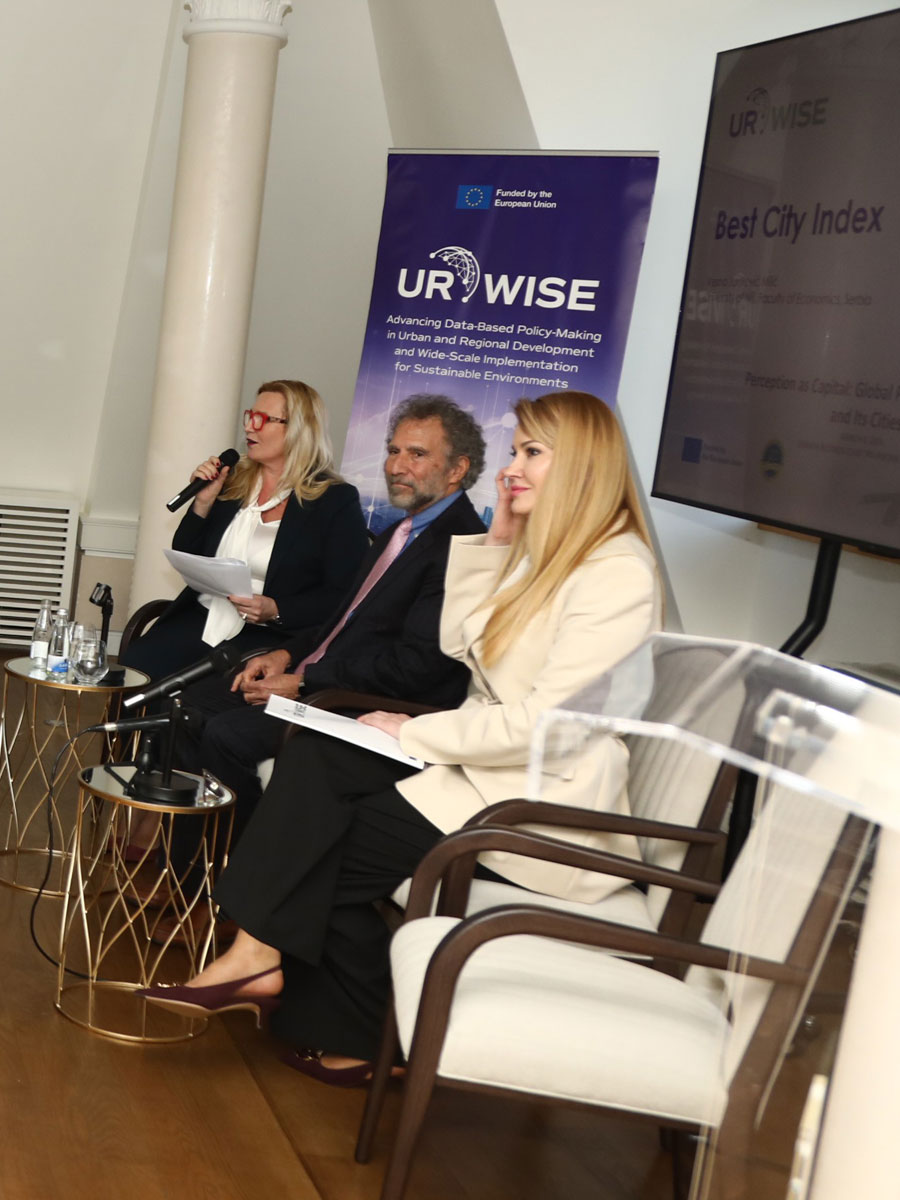
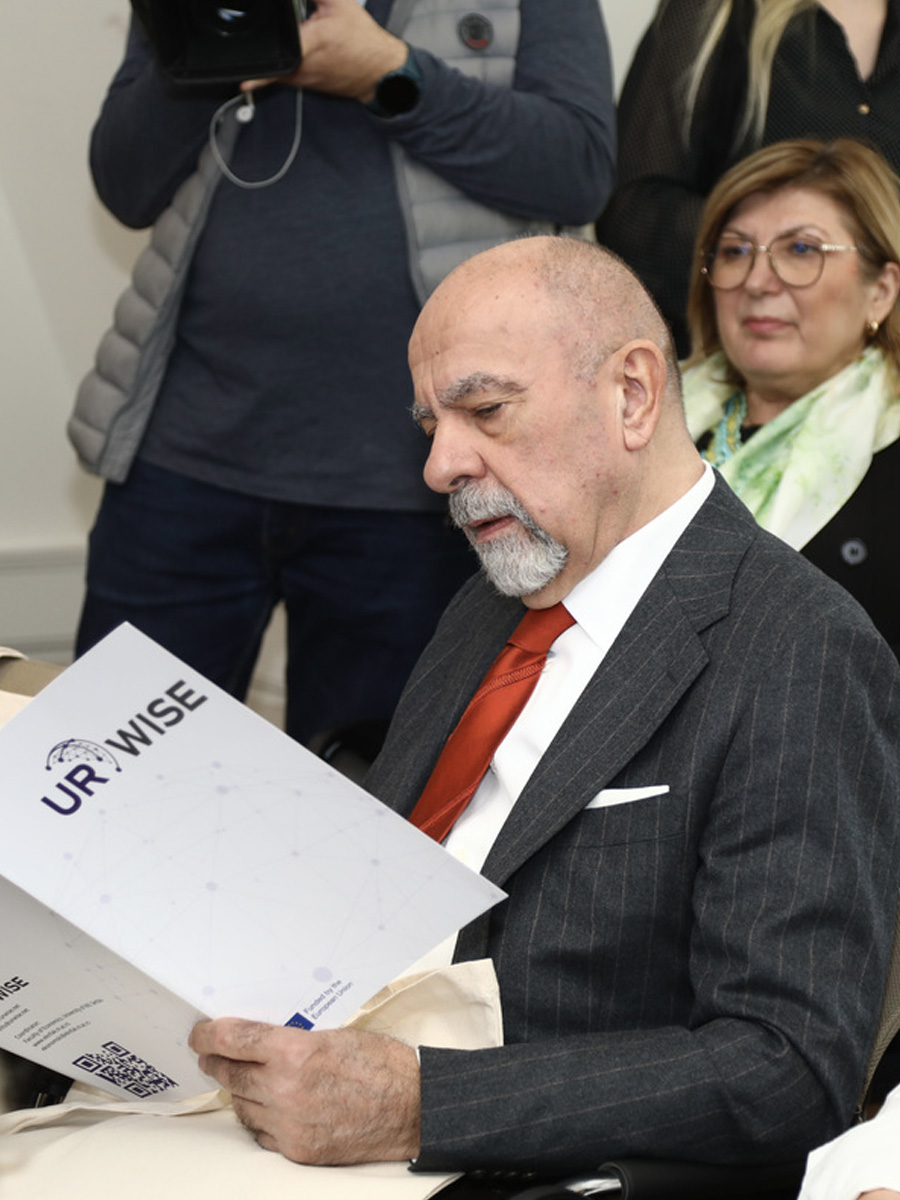
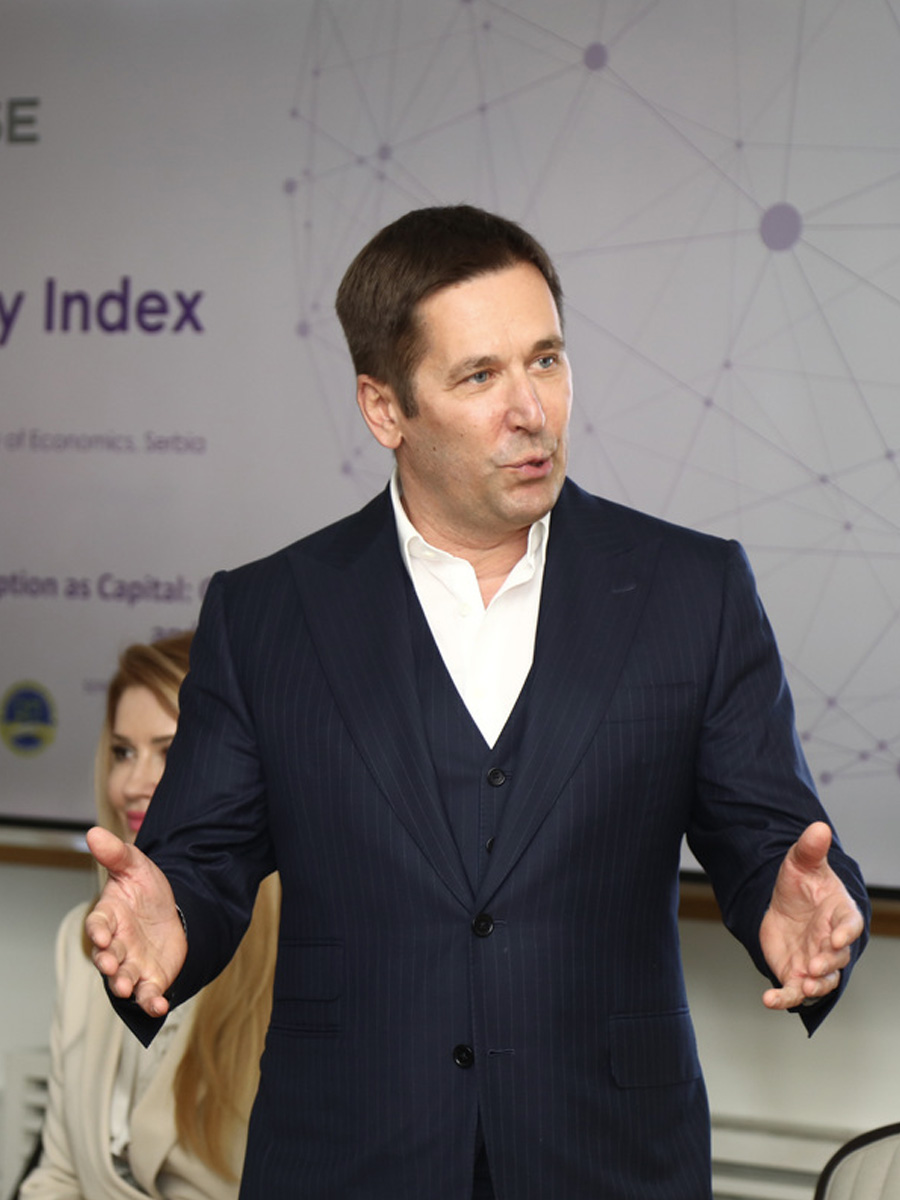
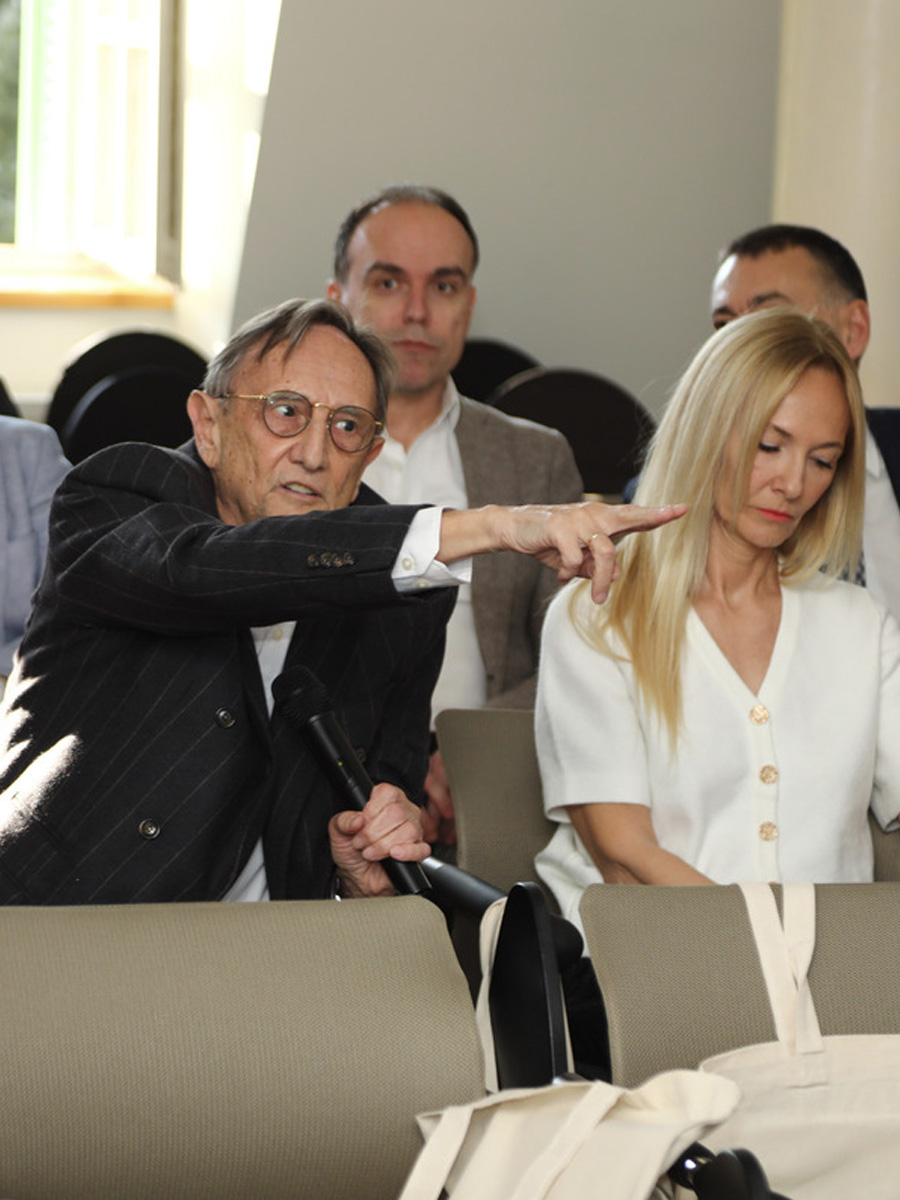
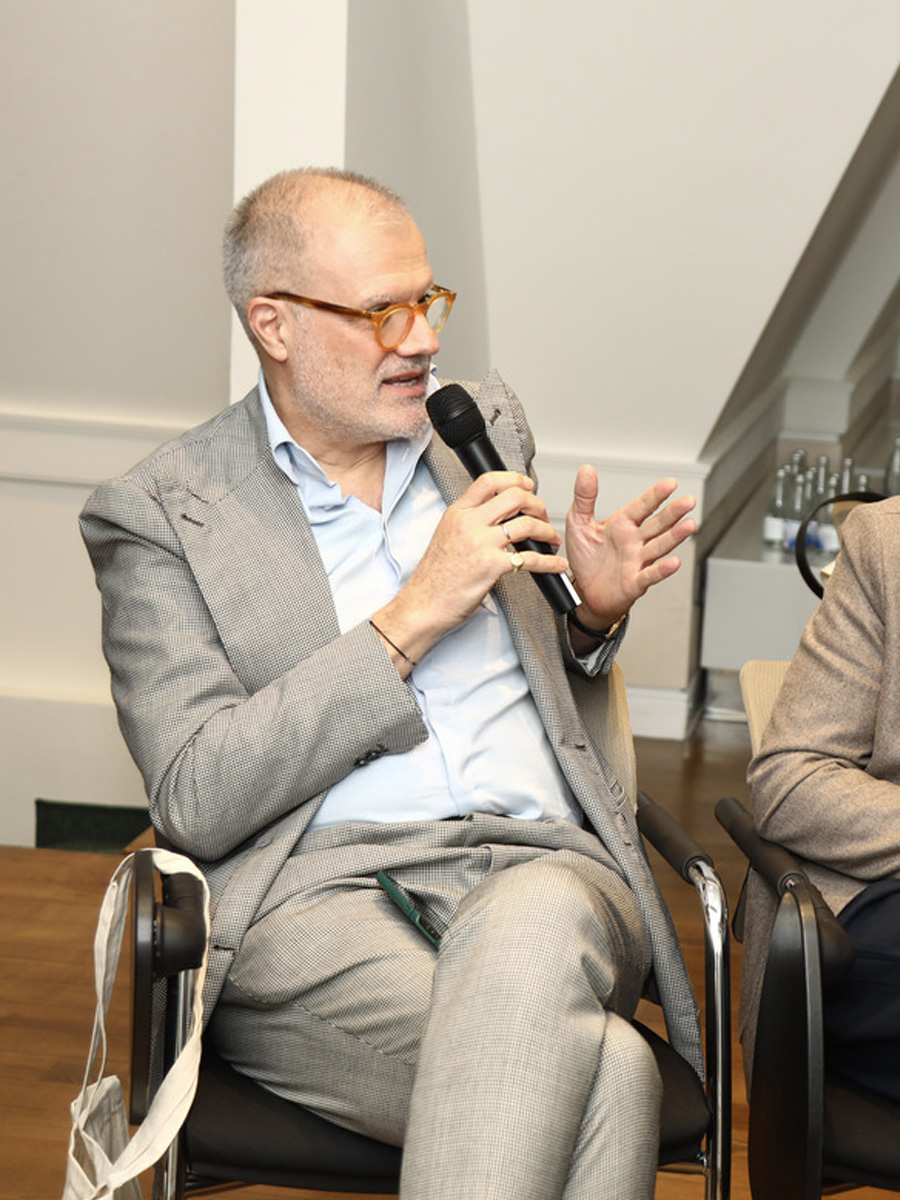
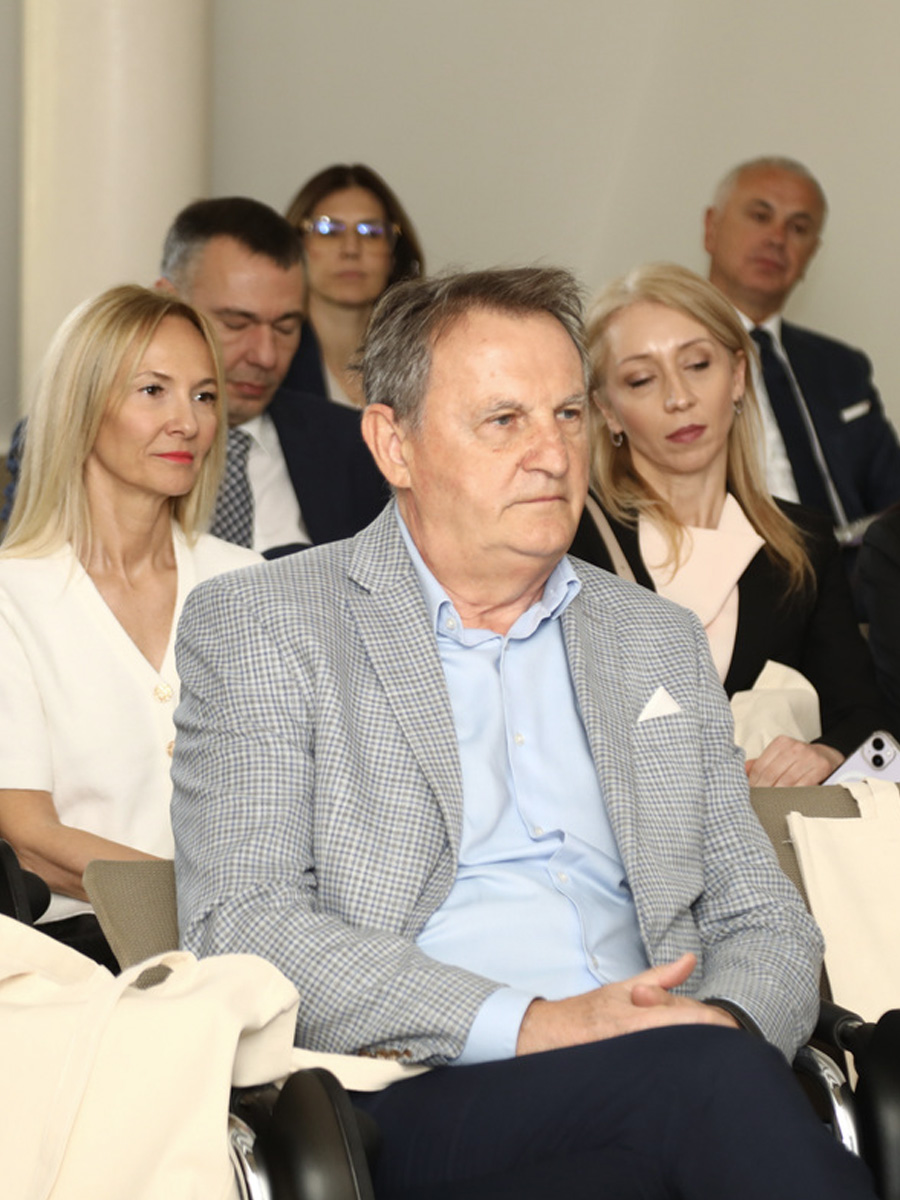
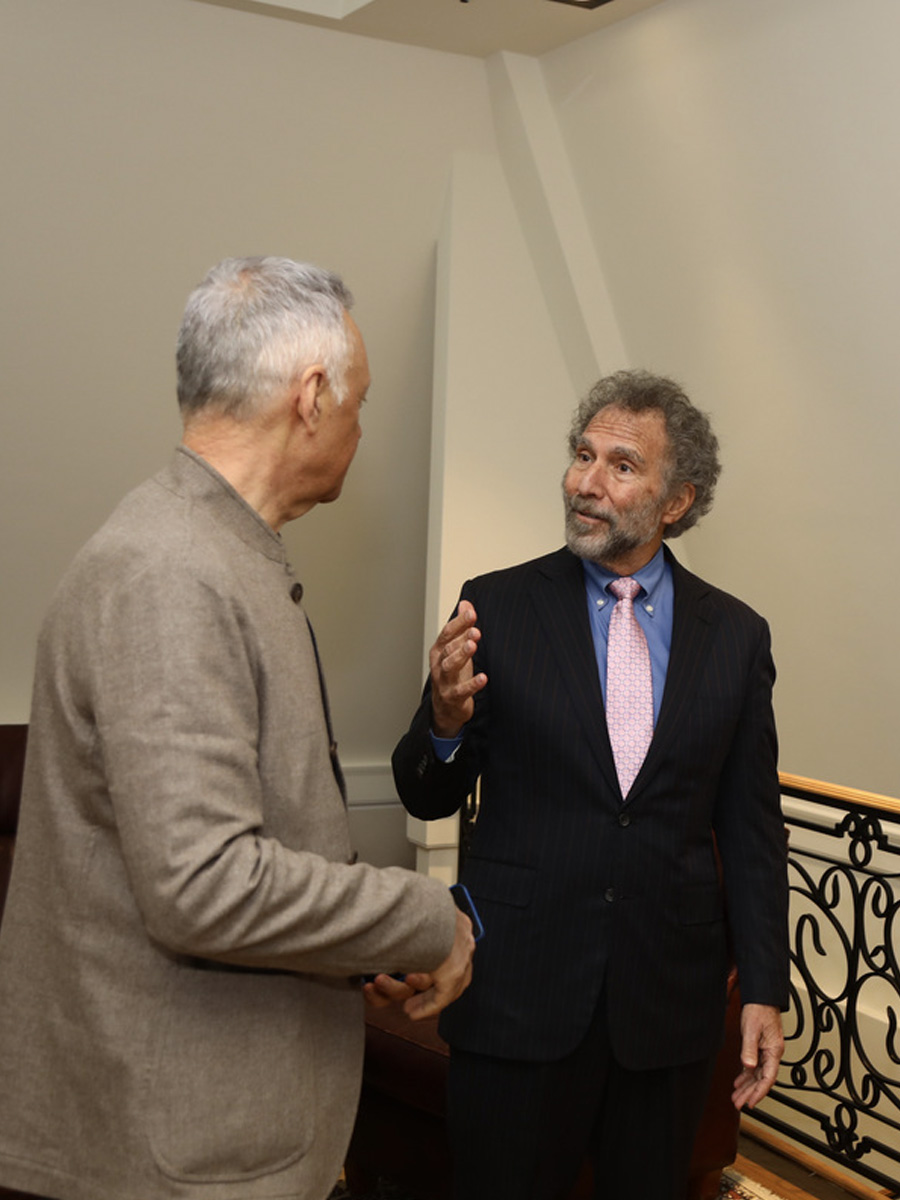
A central segment of the event was dedicated to the premiere presentation of the national Best City Report, developed by the Faculty of Economics, University of Niš within the UR-WISE project. The findings were presented by Prof. Jelena J. Stanković, Coordinator of the UR-WISE project, and Prof. Vesna Janković Milić, UR-WISE team member at the Faculty of Economics, University of Niš.
The study covers all 28 cities in Serbia, including Belgrade, and is based on a representative sample of over 2,200 respondents, ensuring a high level of reliability and analytical depth. It provides comprehensive insights into how citizens and opinion leaders perceive quality of life, work opportunities, competitiveness, and development potential across Serbian urban centers. As one of the first systematic and large-scale efforts to analyse urban perception as a strategic development factor, the research highlights the critical role of cities in shaping national reputation and economic attractiveness.
In addition to the survey of citizens and opinion leaders, the second phase of the research will include a survey of 300 business entities across Serbia, aiming to incorporate the perspective of the private sector in evaluating the country’s investment climate, competitiveness, and economic positioning.
The event in Belgrade created an important platform for dialogue between academia, the business community, policymakers, and international partners on how reputational capital can be transformed into development capital. By bringing together global analytical frameworks, national research, and perspectives from the business sector, the discussion highlighted the growing importance of strategic perception management in economic policy, investment attraction, and long-term national positioning.
The event represents a significant step in strengthening the role of the UR-WISE project and the Faculty of Economics, University of Niš in connecting research with real-world policy and business dialogue, while contributing to a broader conversation on Serbia’s international competitiveness and urban development strategies.
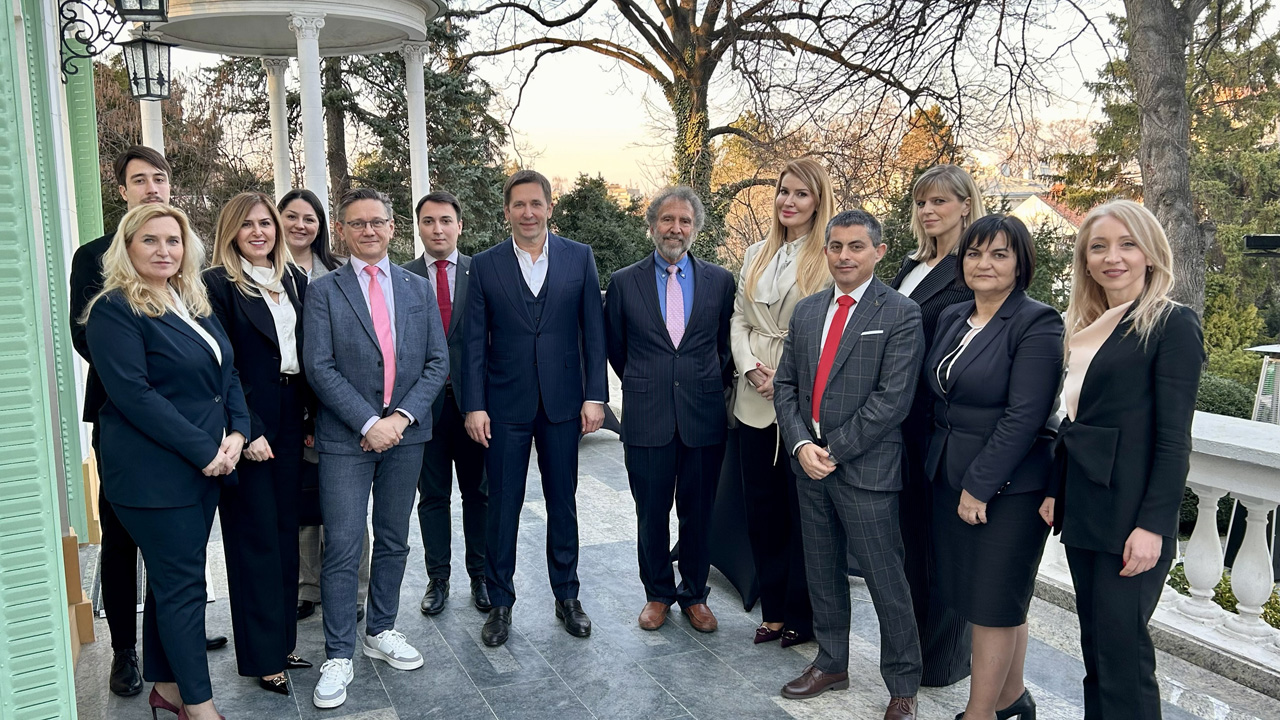
The strategic discussion held at the Serbian Business Club “Privrednik” also attracted attention from national media, highlighting the importance of perception and nation branding in shaping economic competitiveness and investment attractiveness.