
UR-WISE actively contributed to the Kopaonik Business Forum 2026, held from March 1–4 under the overarching theme “Navigating Industrial Policy: Shaping Serbia’s Economic Future.”
The Kopaonik Business Forum (KBF), organized by the Serbian Association of Economists, is one of the most prominent economic dialogue platforms in Southeast Europe. For more than three decades, the Forum has gathered heads of state, ministers, representatives of international financial institutions, diplomats, leading scholars, business leaders, and media. With more than 1,500 participants annually, KBF represents a key venue for strategic discussions on Serbia’s economic development and regional cooperation.
UR-WISE participation at KBF 2026 was implemented within the activities aimed at strengthening collaboration between academia, business, civil society, and policy-makers. Through high-level engagement and panel participation, Faculty of Economics, University of Niš reinforced its role as a research-driven institution actively contributing to national economic dialogue.
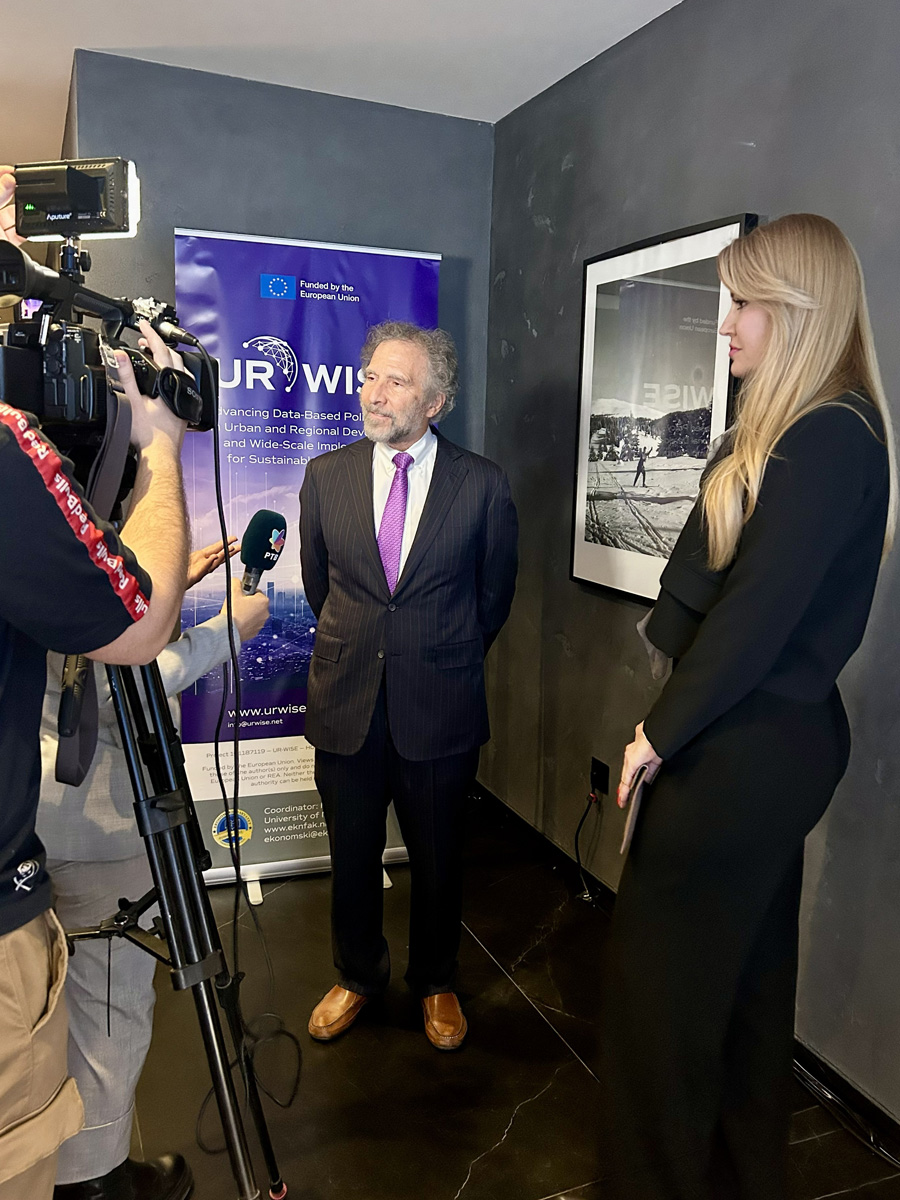
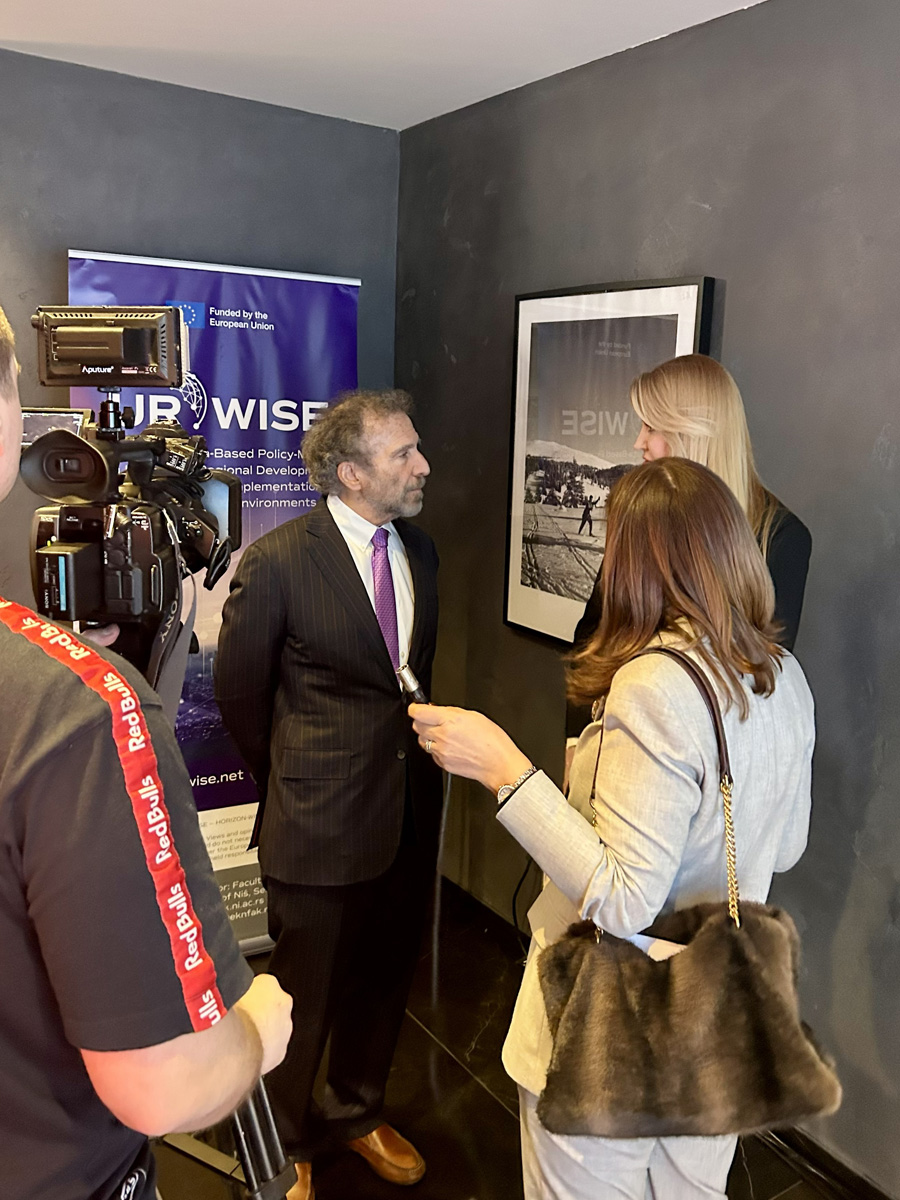
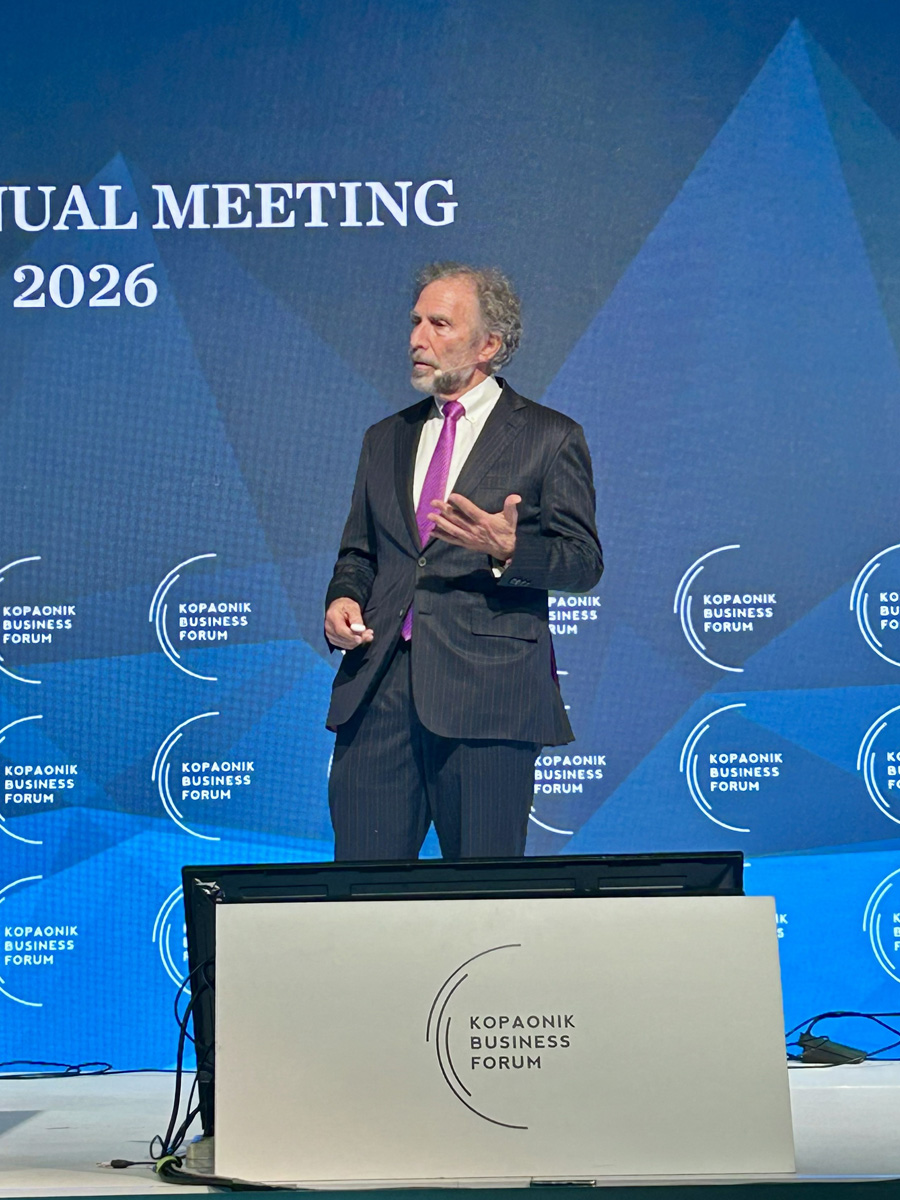
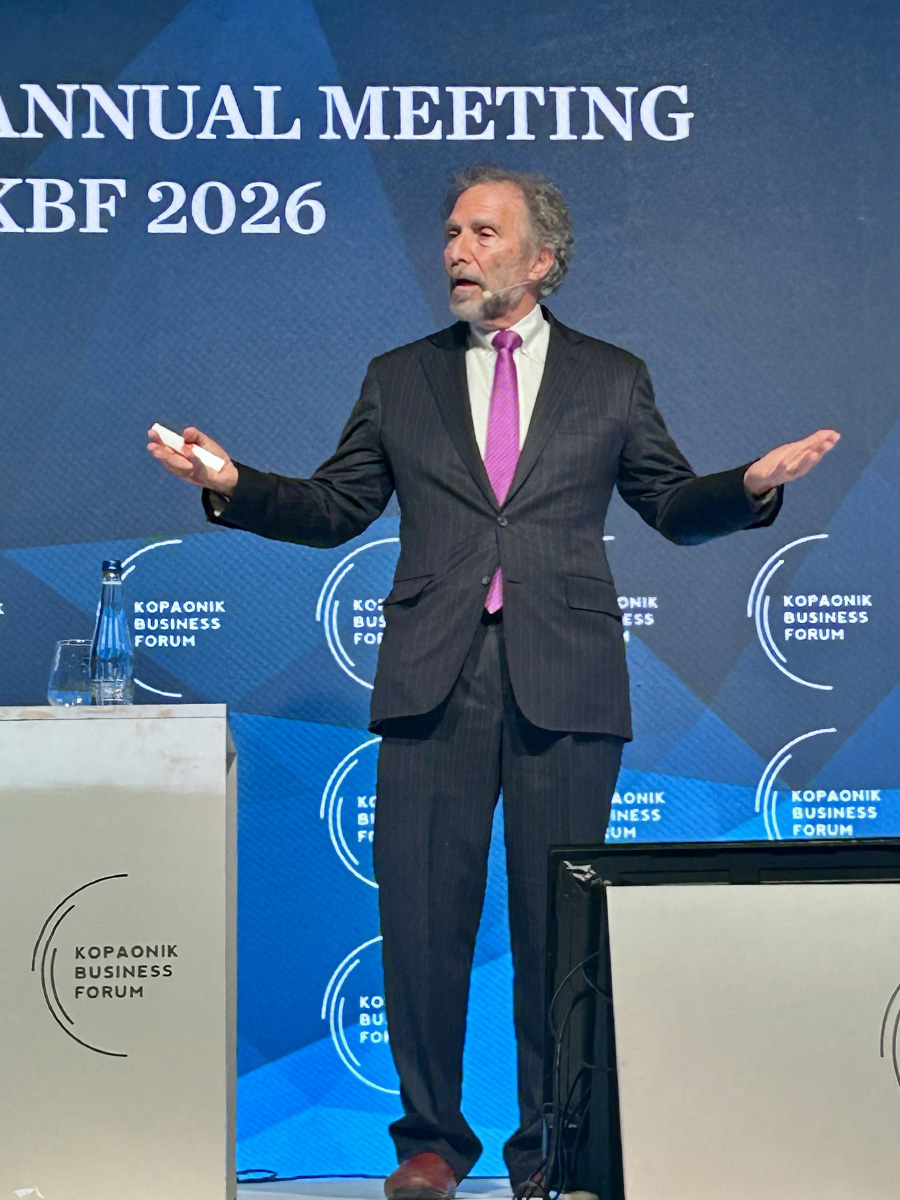
A central highlight of the UR-WISE contribution to the Forum was the participation of: Prof. David J. Reibstein, William Stewart Woodside Professor of Marketing, Wharton School, University of Pennsylvania.
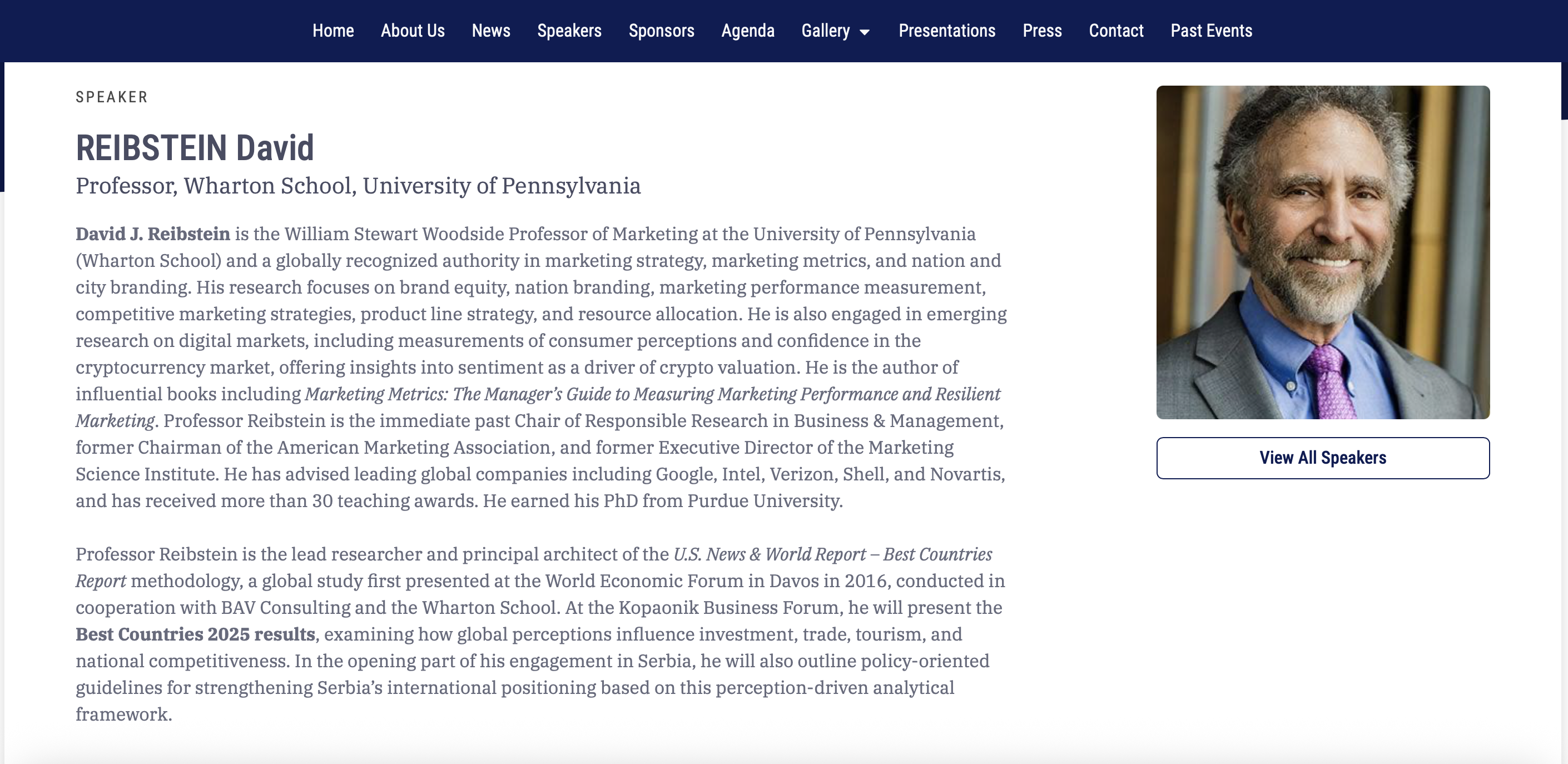
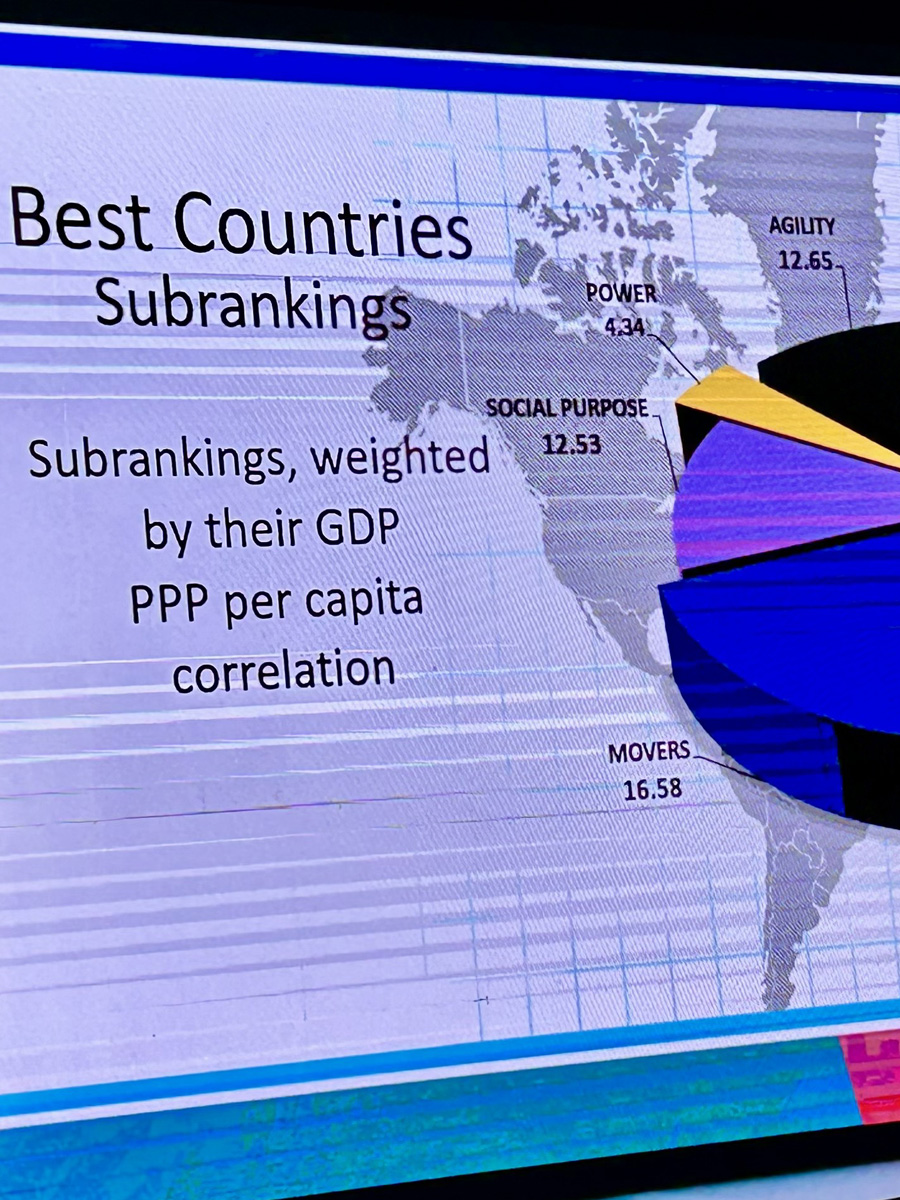
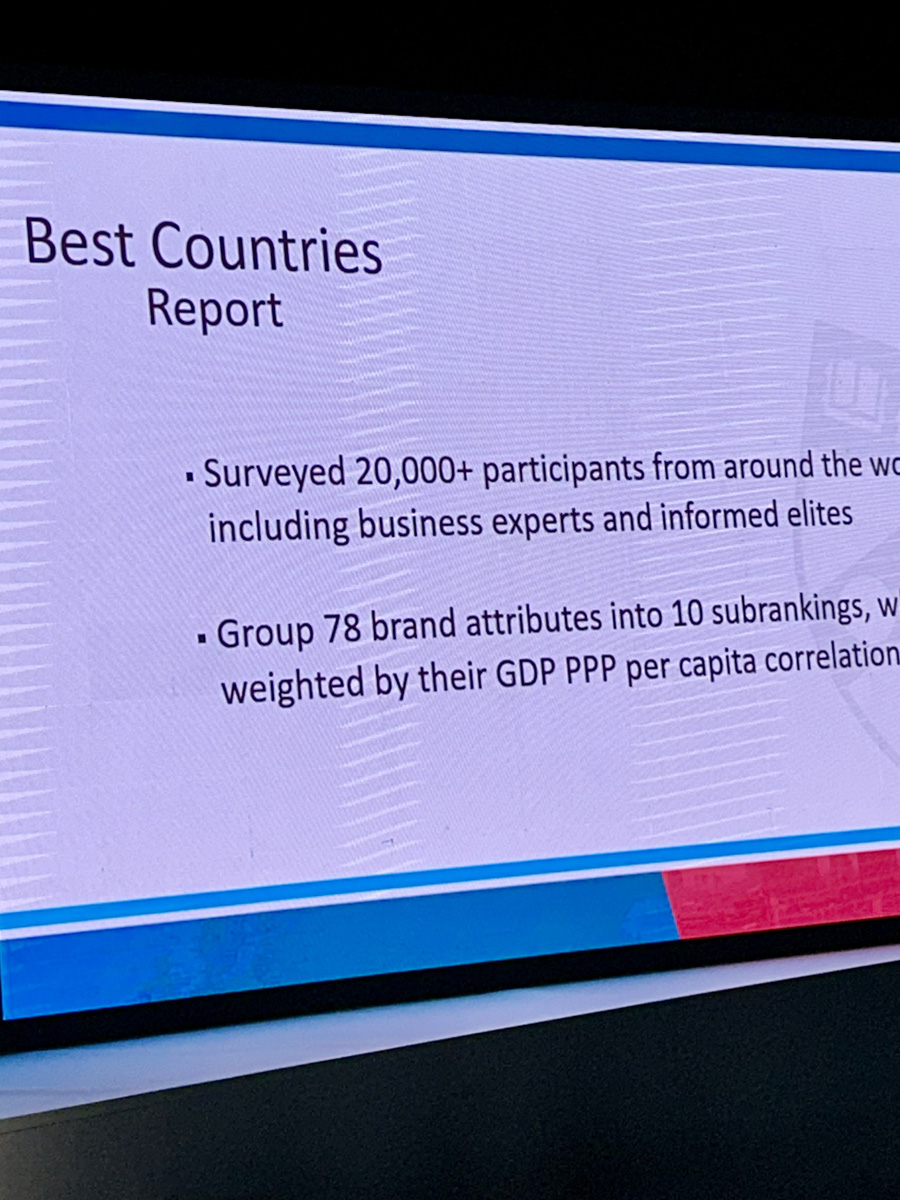
Professor Reibstein presented insights from the U.S. News & World Report – Best Countries Report, a global study first introduced at the World Economic Forum in Davos in 2016, developed in cooperation with BAV Consulting and the Wharton School.
The presentation emphasized how international perceptions shape the economic value of countries, influencing investment flows, trade opportunities, tourism, and overall national competitiveness.
Discussing Serbia’s position within the global perception framework, Professor Reibstein highlighted that some of the country’s strongest attributes include the ease of starting a business, strong international connectivity with influential countries, and perceptions of racial equality. At the same time, the discussion opened broader questions about how countries can strategically manage their reputational capital in order to strengthen economic performance.
A key message of the session was that a nation’s brand is not merely a marketing construct but a strategic economic resource. Just as with companies or products, a strong national brand increases trust, raises the perceived value of exports and services, and improves a country’s ability to attract investment and talent.
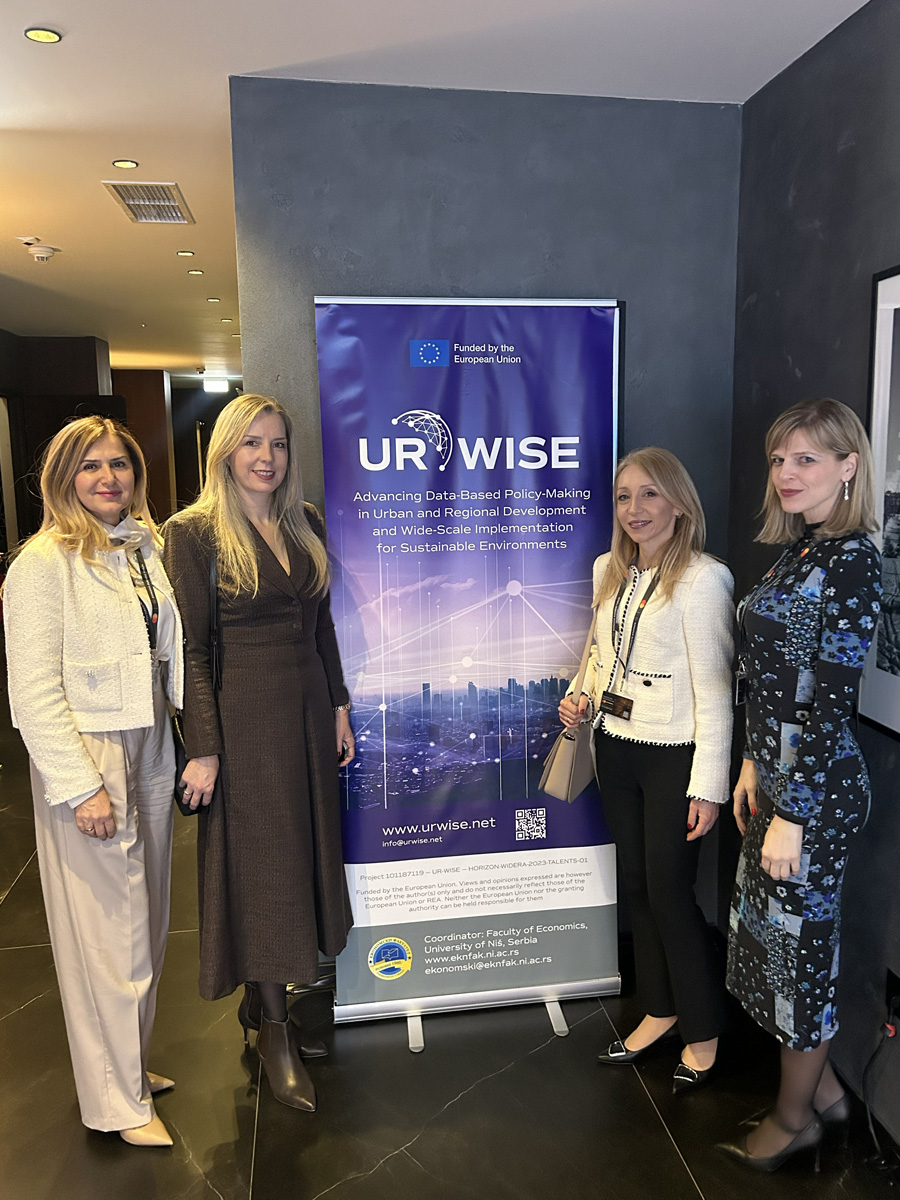
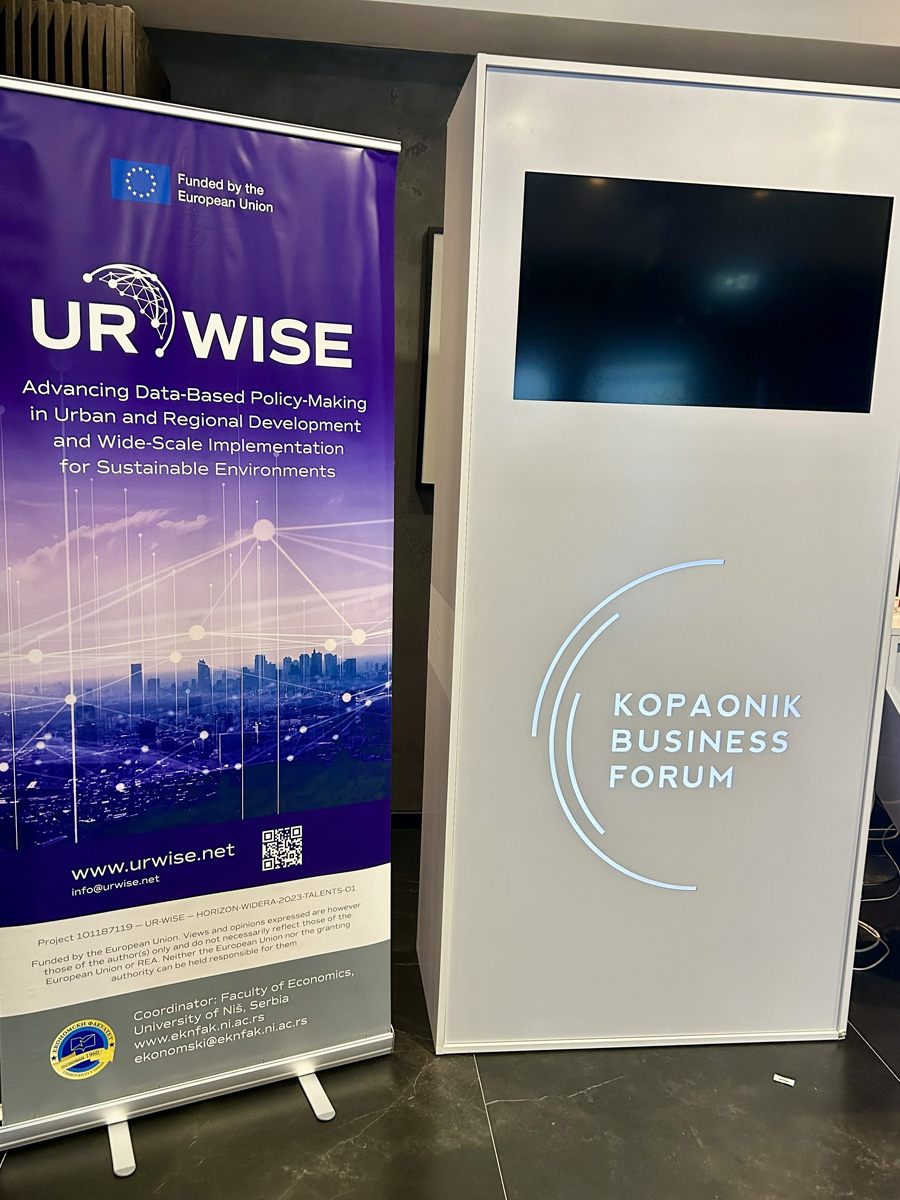
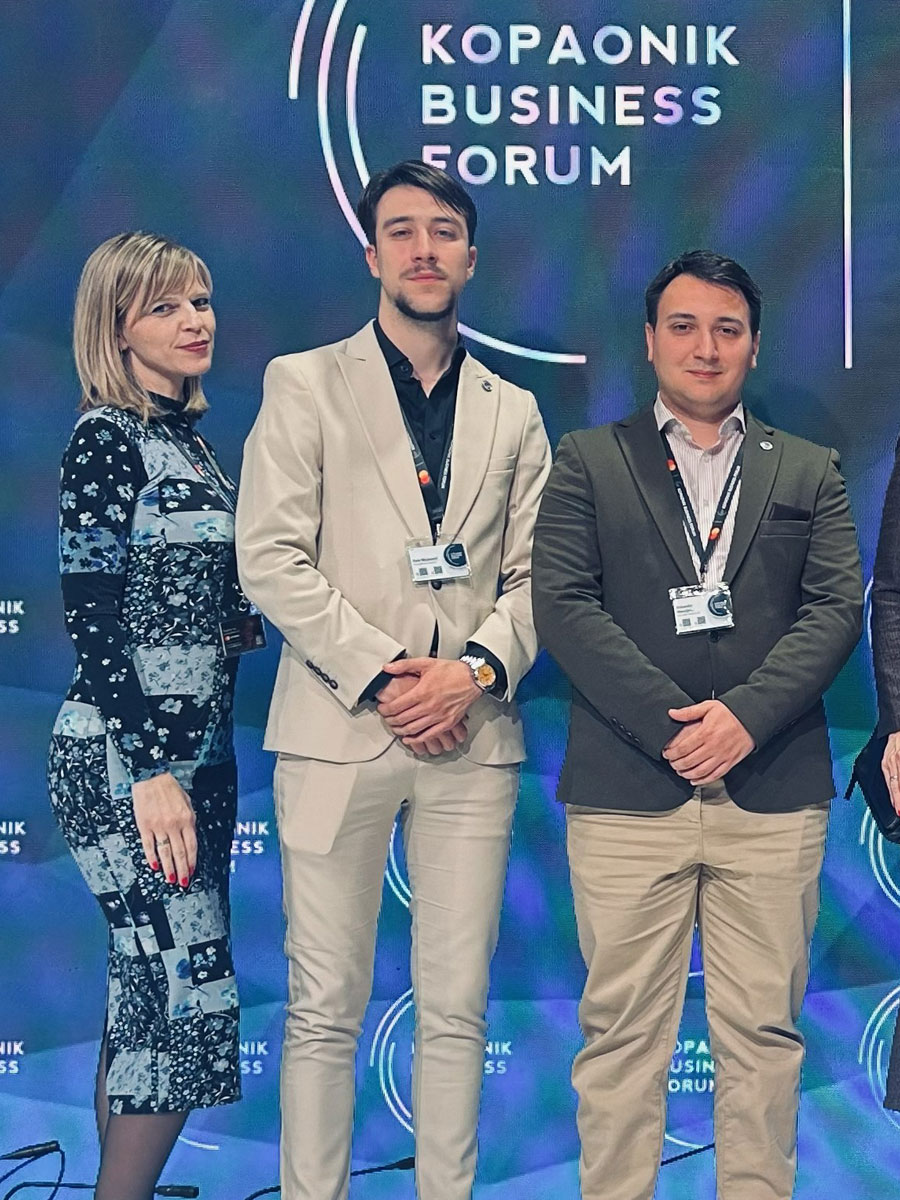
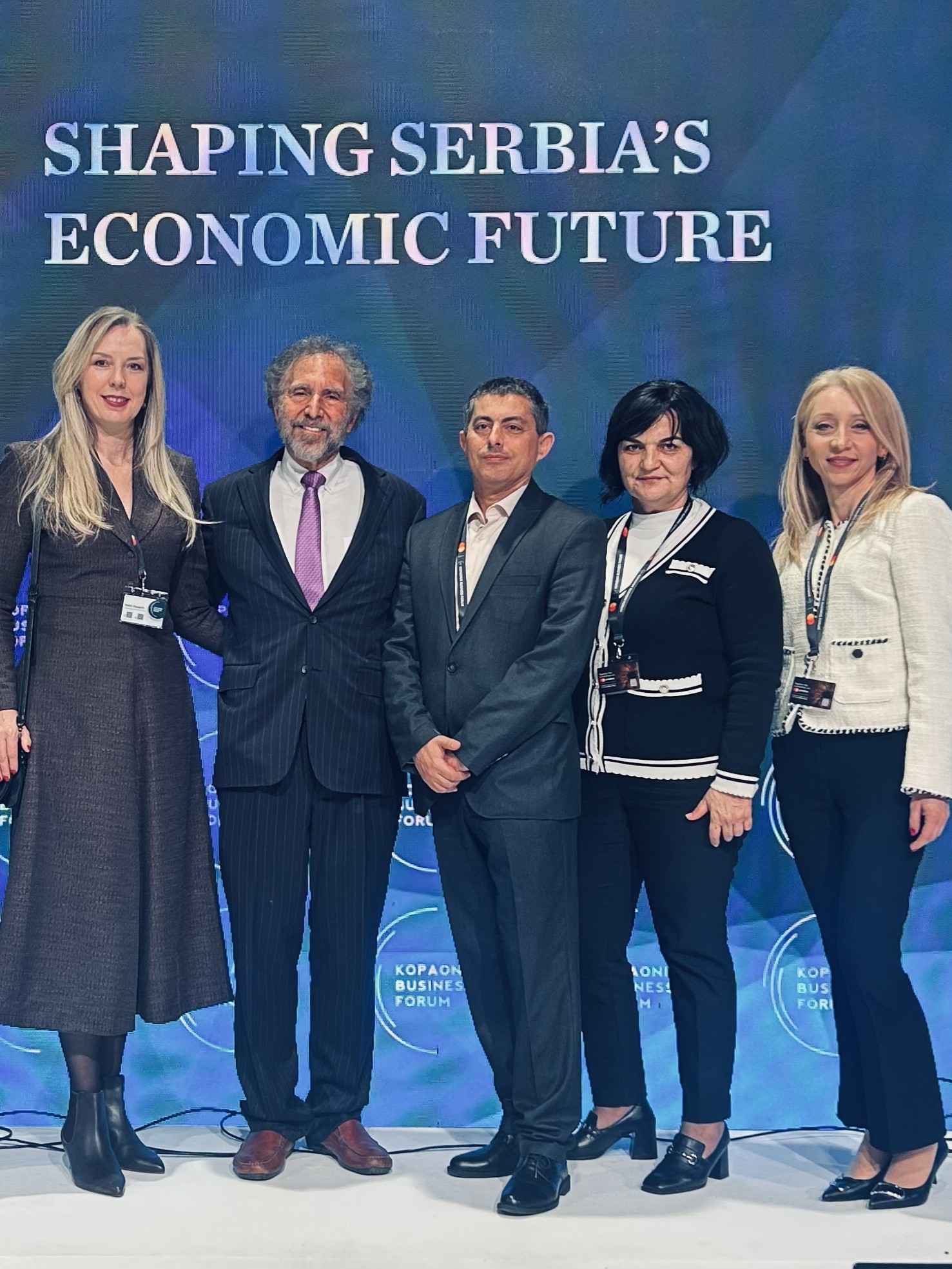
Participation at KBF 2026 demonstrates the practical implementation of UR-WISE’s mission to bridge data-driven research, policy dialogue, and business sector engagement.
By positioning FEUN and the UR-WISE project within one of the region’s most influential economic forums, this activity strengthens the Faculty’s institutional capacity, expands strategic partnerships, and contributes to evidence-based discussions on Serbia’s international positioning and long-term development.
Such engagements are central to the broader objectives of UR-WISE: building sustainable institutional structures and strengthening the role of academia in shaping public policy, economic strategy, and international cooperation.
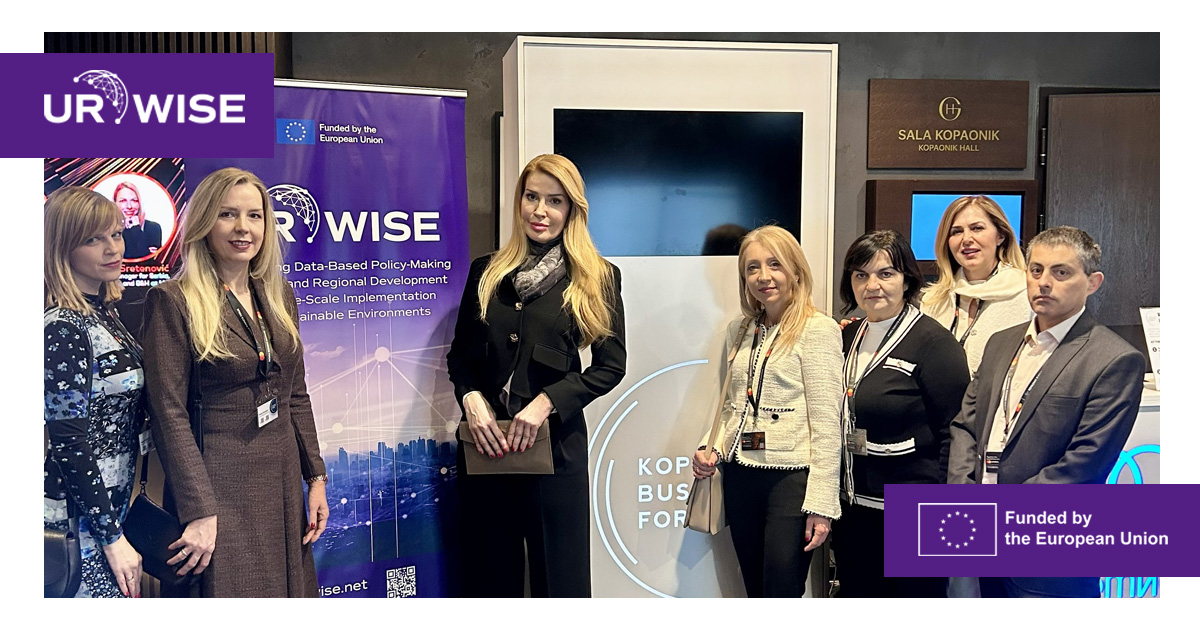
The discussion on national branding and Serbia’s international positioning generated significant attention at the event, attracting interest from both economic and general media. Key messages from the session featuring Prof. David J. Reibstein were highlighted in several media reports covering the Forum: